

Virtual tours used to be a “nice extra.” Now they’re basically the cheat code for open houses—because they let buyers pre-shop your property before they ever step through the door. That means fewer tire-kickers, more serious visitors, and better conversations when people do show up. Done right, a virtual tour doesn’t replace an open house; it upgrades it.
Here’s how virtual tours can make your open houses more effective, more efficient, and a whole lot easier to run.
From initial website visit to lease signing, Interactive 360º Virtual Tours enhance every step of the resident journey.
Open Houses Have a Built-in Problem: Most Visitors Aren’t Ready
Traditional open houses cast a wide net. That’s the point. But wide nets catch a lot of seaweed.
You get neighbors who are curious, people “just starting to look,” buyers who don’t know what they can afford, and folks who aren’t even sure what they want. None of that is evil—it’s just reality. But it creates friction:
-
The home gets crowded with people who aren’t buyers.
-
Serious buyers can’t focus or ask questions.
-
Agents spend time repeating the basics instead of moving buyers forward.
-
Sellers feel like their home became a weekend museum.
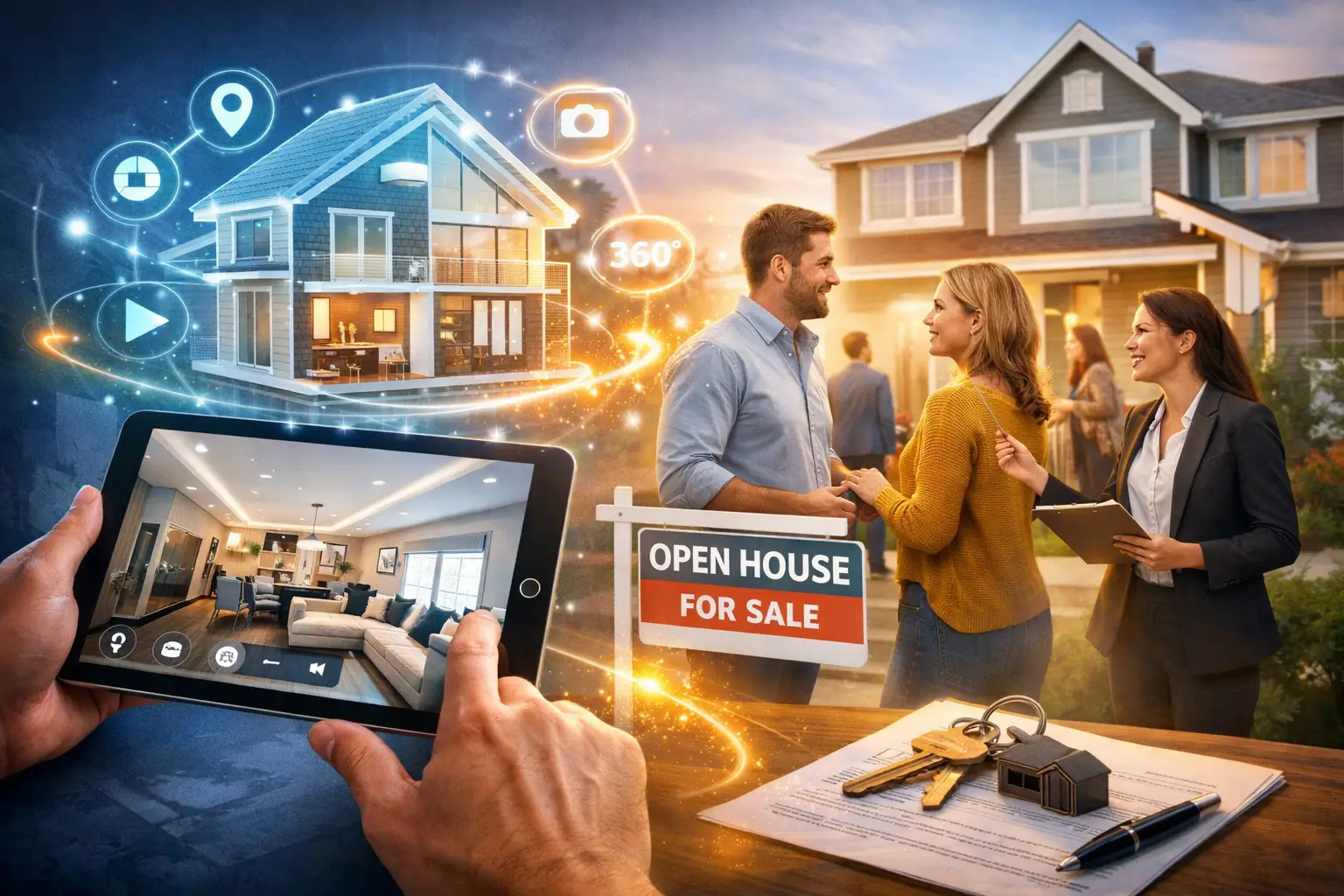
A strong virtual tour helps solve that by acting as a filter and a primer.
Filter: People who won’t like the home can self-select out before they come.
Primer: People who do like the home arrive already familiar with layout and key features.
That’s the first big win: your open house audience becomes more qualified.
Virtual Tours Upgrade “First Impressions” From a Moment to a Journey
Most buyers decide what they think of a home in seconds. The problem is that in an open house, those seconds happen in a chaotic environment: shoes coming off, people chatting, kids running around, agents trying to be friendly but also juggling visitors.
A virtual tour gives the buyer a calm first pass. They can explore at their own pace. They can pause, back up, re-check a room, and really understand the flow.
That matters more than people realize, because homes aren’t just a collection of rooms—they’re a layout experience. Virtual tours communicate:
-
How the kitchen relates to the living room
-
Whether bedrooms feel separated or stacked together
-
How natural light moves through the space
-
The “feel” of entering and moving through the home
Photos can’t reliably do that, and video walks often move too fast. Virtual tours let buyers “own the navigation,” which makes the property feel more real and less like marketing.
When those buyers come to your open house, they aren’t walking in cold. They’re walking in with a mental map. That changes the tone from “What is this place?” to “Let’s confirm what I liked and check details.”
That’s a second big win: your open house becomes a validation event, not a discovery scramble.
Fewer Wasted Showings, Better Open Jouse Timing
Open houses often get scheduled because the listing needs activity—fast. But activity isn’t the same as progress.
A virtual tour can create meaningful activity before the open house even happens. People can explore immediately after the listing goes live, including out-of-town buyers and busy locals. That does two things:
-
It builds urgency early. Buyers can’t say “I’ll wait to see it sometime.” They’ve already seen it—now they’re deciding whether to act.
-
It improves open house attendance quality. The people who show up are showing up for a reason.
It can also help you time the open house smarter. Instead of guessing, you can watch engagement patterns: spikes in tour views, repeat visitors, and which rooms people linger on. Even without fancy analytics, you’ll notice the shift—buyers will show up with specific questions, not vague browsing energy.
Virtual Tours Make Your Marketing Do More Heavy lifting
An open house is a short window. Your marketing has to do the work before and after.
A virtual tour is one of the few marketing assets that stays useful across every stage:
-
Pre-open house: It gets people interested and informed.
-
During open house: It helps people revisit details on their phone, especially if the home is crowded.
-
Post-open house: It keeps the home top-of-mind and shareable.
This is the part many agents underestimate: shareability. A virtual tour is easy to send to a spouse, parent, agent, or friend. Instead of “I saw a home, let me describe it,” buyers can send the tour link and say, “Walk through it.”
That reduces decision friction. Decisions die when buyers can’t align stakeholders. Virtual tours help stakeholders align faster.
They Help Serious Buyers Focus on What Actually Matters
At an open house, buyers are often distracted by the wrong things: furniture placement, décor taste, someone else’s chatter, or the emotional intensity of being “on-site.”
A virtual tour helps them separate the home from the staging. They can revisit the space later, when they’re calm and thinking clearly, and ask better questions like:
-
“How old is the roof?”
-
“Is the HVAC upgraded?”
-
“Are those windows original?”
-
“What’s the insulation like?”
-
“Is the neighborhood traffic loud at rush hour?”
That’s where real offers come from—buyers who are past the superficial and into practical confidence.
So the virtual tour doesn’t just attract people—it makes them sharper. And sharp buyers are easier to guide to an offer because they’re making informed decisions, not emotional guesses.
Virtual Tours Reduce Seller Stress (and that matters)
Sellers often hate open houses. They clean, leave, worry about strangers, and feel judged. Some tolerate it because it’s “how it’s always been done.”
Fair. But tradition doesn’t mean suffering.
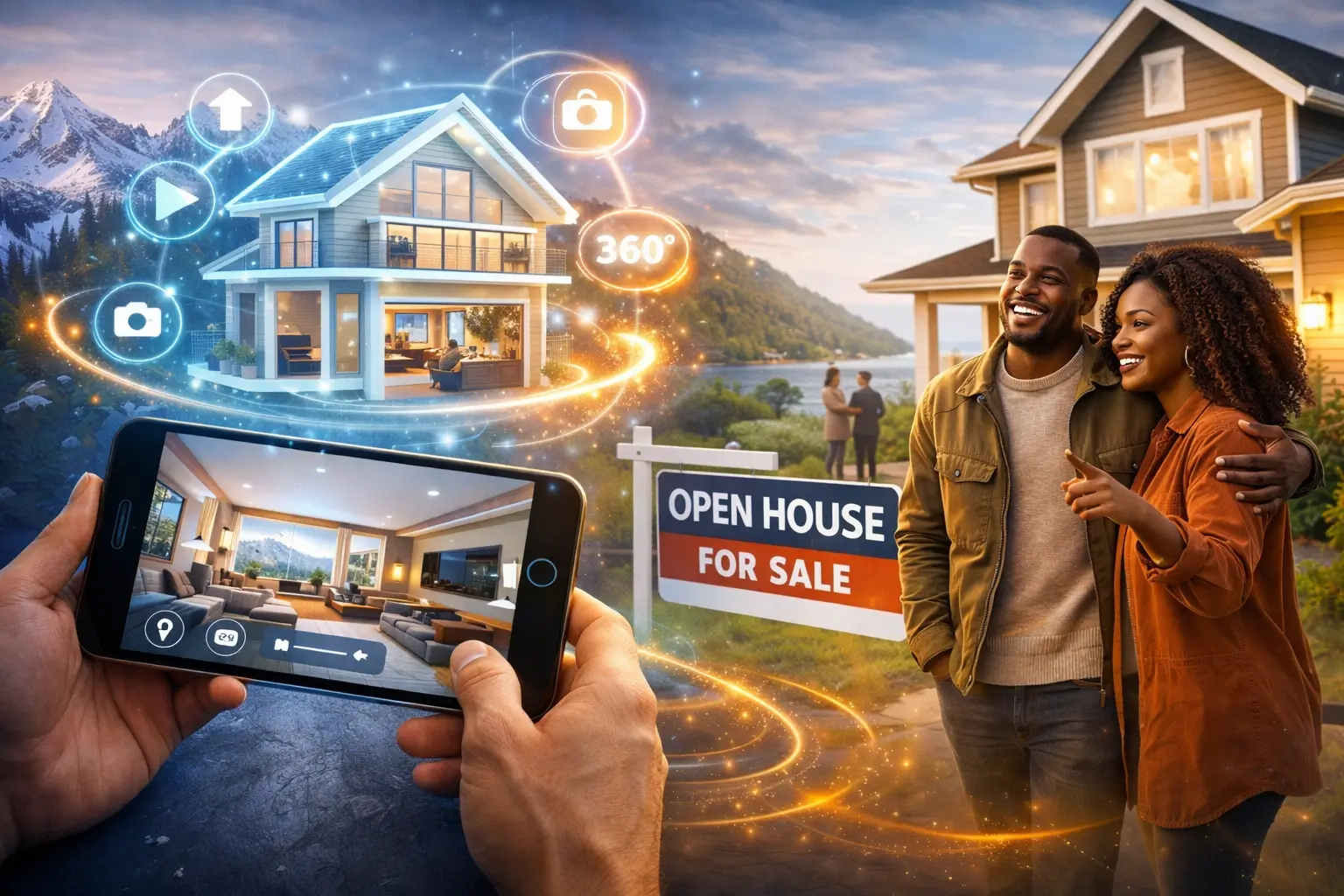
Virtual tours help sellers because they can reduce the total number of unnecessary showings and chaotic drop-ins. If buyers can “preview” the home virtually, fewer people come through just to realize, “Oh… this layout isn’t for us.”
Less traffic means:
-
Less disruption
-
Less wear and tear
-
Lower risk of belongings walking off
-
Less stress in general
And sellers who feel respected are more cooperative and easier to work with—which indirectly improves the entire sales process.
They Expand Your Buyer Pool Beyond Geography and Schedules
Open houses are time-locked. Miss the window and you’re out—unless you schedule a showing, which many buyers won’t do until they’re more convinced.
Virtual tours break the time lock.
A buyer can tour the home at 11:30 PM. A relocating buyer can tour from another state. A busy parent can tour during nap time. A service member can tour from wherever they’re stationed. That’s not theoretical—it’s daily reality.
Then your open house becomes the “in-person confirmation” for the buyers who already know it’s worth the time.
More real prospects, fewer casuals. Bigger buyer pool, more leverage.
Virtual Tours Can Create Stronger Open-House Conversations
When a buyer has already toured virtually, they don’t waste your time with basics. They ask questions that signal intent:
-
“Is that wall load-bearing?”
-
“What’s the HOA like?”
-
“How many offers have you had?”
-
“What’s the seller’s ideal close timeline?”
-
“Is the backyard fenced all the way around?”
That’s not random browsing—that’s someone thinking in “offer language.”
For agents, this is huge. Open houses stop being repetitive tours and become mini consultations. You can qualify people faster and move them into follow-up without awkward pressure.
What Makes A Virtual Tour Actually Help (instead of just existing)
Not all virtual tours improve open houses. Some are clunky, distorted, poorly lit, or make rooms feel smaller than they are. Those don’t filter tire-kickers—they scare away real buyers.
Here’s what matters:
- Accurate scale and clean navigation
If the tour makes the home feel like a funhouse, trust drops instantly. - Great lighting and thoughtful capture
Bright, natural-looking spaces feel inviting. Dark tours feel like you’re hiding something. - Simple access (no friction)
If people have to download an app or fight a slow load, they bounce. - Helpful labels or highlights
Call out upgrades: new roof, remodeled bath, smart thermostat, solar, etc. - Match the listing photos
If the tour looks worse than the photos, buyers feel tricked. Consistency builds confidence.
If you treat the virtual tour as a serious marketing asset—not a box to check—it will pay you back in open house quality.
The Bottom Line
Open houses are tradition for a reason: they create presence, urgency, and a live emotional connection to the property. But the modern buyer doesn’t want to “discover” a home only after driving across town and wandering through crowds.
They want to arrive informed.
Virtual tours make that happen. They qualify visitors, build confidence, expand reach, reduce seller stress, and turn open houses into higher-quality interactions instead of chaotic foot traffic.
A good open house is a stage. A virtual tour is the trailer that gets the right audience to show up—and already care.
When those two work together, you don’t just get more visitors. You get better buyers.
Let’s Chat
Claim Your Free Virtual Tour + Pro Photography Session (For Newly Signed Agents & Channel Partners)